The BMI Calculator is a standardized health measurement tool that calculates Body Mass Index using a person’s weight and height. It is a globally accepted screening method used to assess body fat indirectly. Additionally, BMI does not measure body fat directly but provides a reliable estimation based on mathematical calculation. It is commonly used in medical, fitness, and nutritional fields to classify weight categories. Furthermore, it helps users understand whether their current body weight is appropriate for their height, supporting better health awareness and early detection of potential weight-related health risks in a structured and scientific manner.
Detailed Explanation of How the Calculator Works
The BMI Calculator works by taking two primary inputs: weight and height. First, the user enters their weight in kilograms and height in meters. Then, the system applies a mathematical formula to compute the BMI value. After calculation, the result is matched with standard BMI classification ranges. These ranges determine whether the individual falls into underweight, normal, overweight, or obese categories. Additionally, the calculator ensures quick and accurate results without requiring manual computation. It simplifies complex health evaluation into a single numeric value, making it highly useful for general users, healthcare providers, and fitness professionals.
Formula and Variables Description

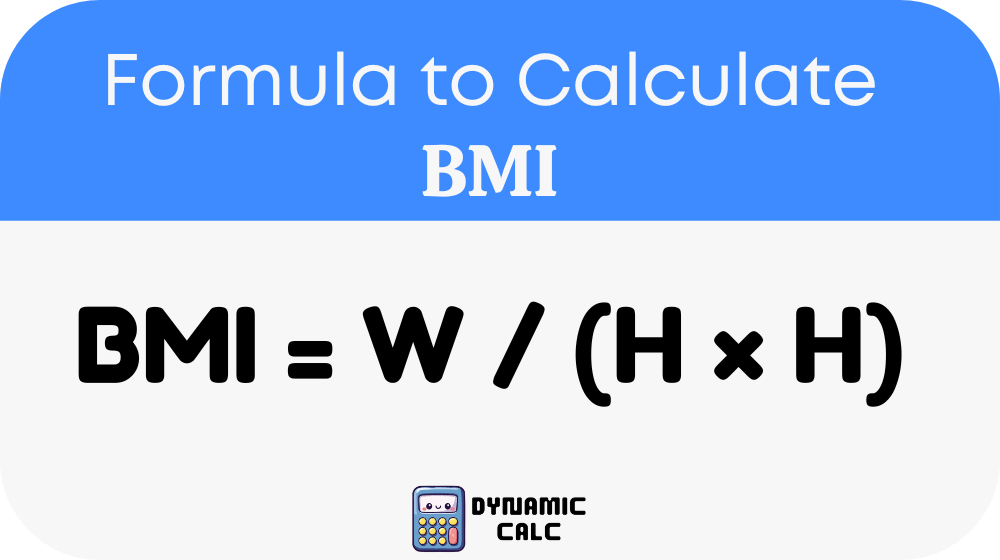
Where:
W = Weight of the person in kilograms
H = Height of the person in meters
H × H = Height multiplied by itself (square of height)
BMI Classification Table
| BMI Value Range | Category | Health Interpretation |
|---|---|---|
| Less than 18.5 | Underweight | May indicate low body mass |
| 18.5 – 24.9 | Normal Weight | Healthy and balanced weight range |
| 25.0 – 29.9 | Overweight | Increased risk of health issues |
| 30.0 – 34.9 | Obesity Class I | Moderate obesity risk |
| 35.0 – 39.9 | Obesity Class II | High obesity risk |
| 40 and above | Extreme Obesity | Very high health risk |
Example
If a person weighs 70 kg and has a height of 1.75 meters, the BMI calculation is performed as follows:
BMI = 70 / (1.75 × 1.75)
BMI = 70 / 3.0625
BMI = 22.86
According to the classification table, a BMI of 22.86 falls within the normal weight range. This indicates that the individual has a healthy body weight in relation to their height. Moreover, this result helps in maintaining awareness about fitness levels and supports better lifestyle decisions such as diet control and physical activity planning.
Applications of BMI Calculator
Health Monitoring
The BMI Calculator is widely used in healthcare systems to monitor a patient’s weight status. It helps doctors and health professionals quickly assess whether a person is at risk of being underweight or overweight. Additionally, it supports early diagnosis of lifestyle-related diseases such as diabetes, hypertension, and cardiovascular conditions. Therefore, it plays an important role in preventive healthcare and routine medical checkups.
Fitness and Weight Management
Fitness trainers and individuals use the BMI Calculator to set realistic weight goals. It helps in designing personalized workout and diet plans based on BMI results. Moreover, it allows users to track progress over time, ensuring effective weight management. As a result, it becomes a valuable tool in achieving fitness goals and maintaining a balanced lifestyle.
Nutritional Planning
Nutritionists use BMI data to recommend appropriate dietary plans. It helps in determining whether a person requires weight gain, weight loss, or maintenance nutrition. Furthermore, it ensures that dietary recommendations are scientifically aligned with body requirements, improving overall health outcomes.